
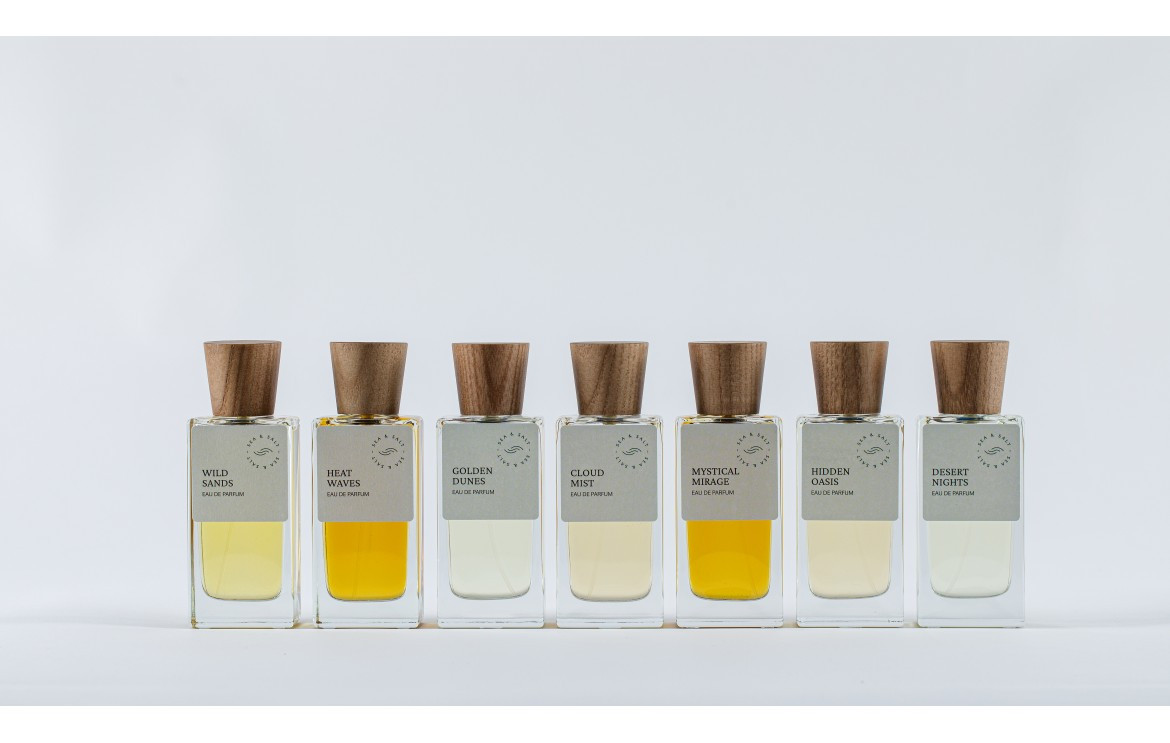
Niche perfumes are unique scents that let you express your personality and highlight your authenticity.
Latest posts
-
 Niche perfumes: what are they?Read more
-
 What makeup products do you need?Read more
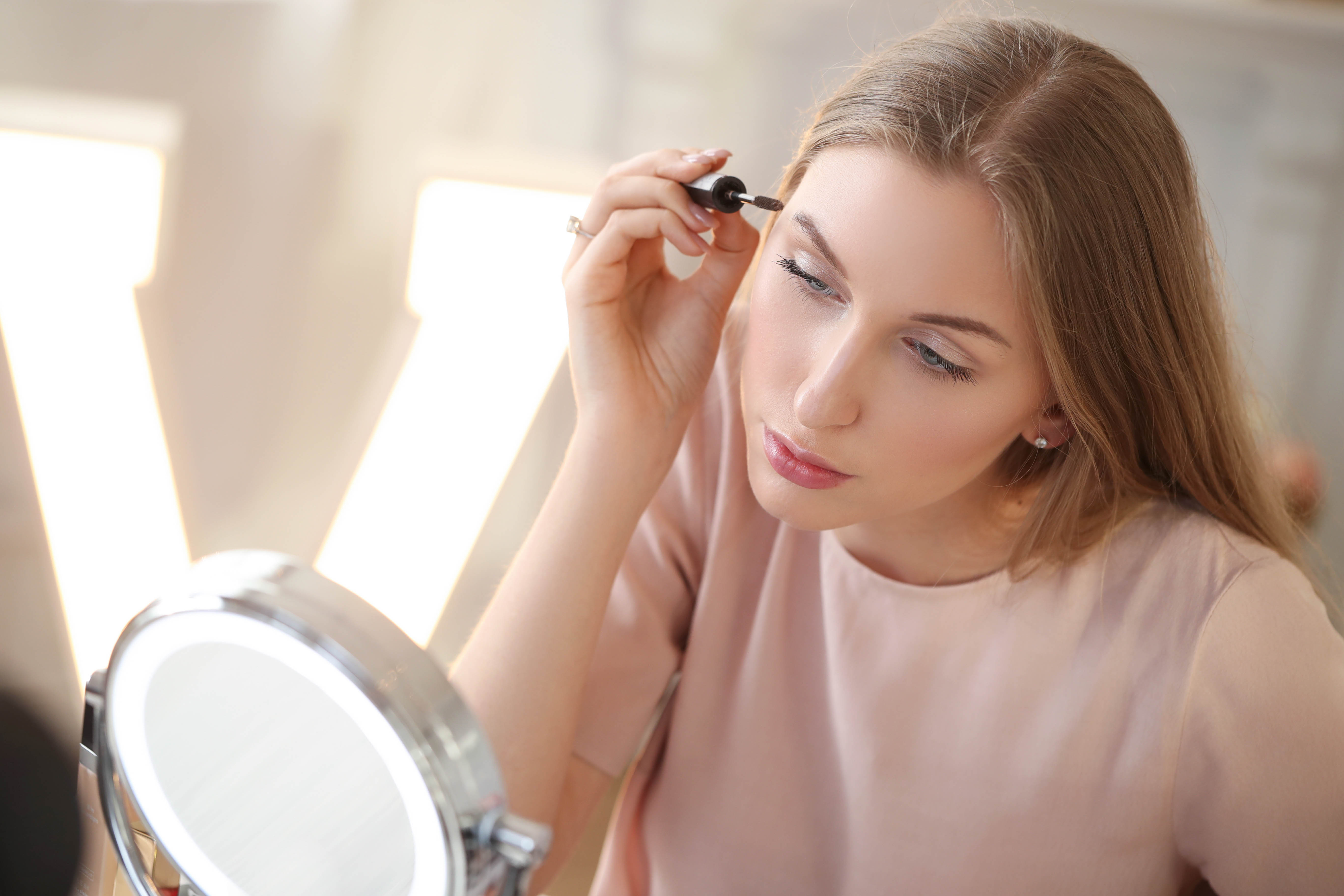
To create a flawless makeup look, you need all the right products, from brushes to setting spray.
-
 How to use pressed powderRead more
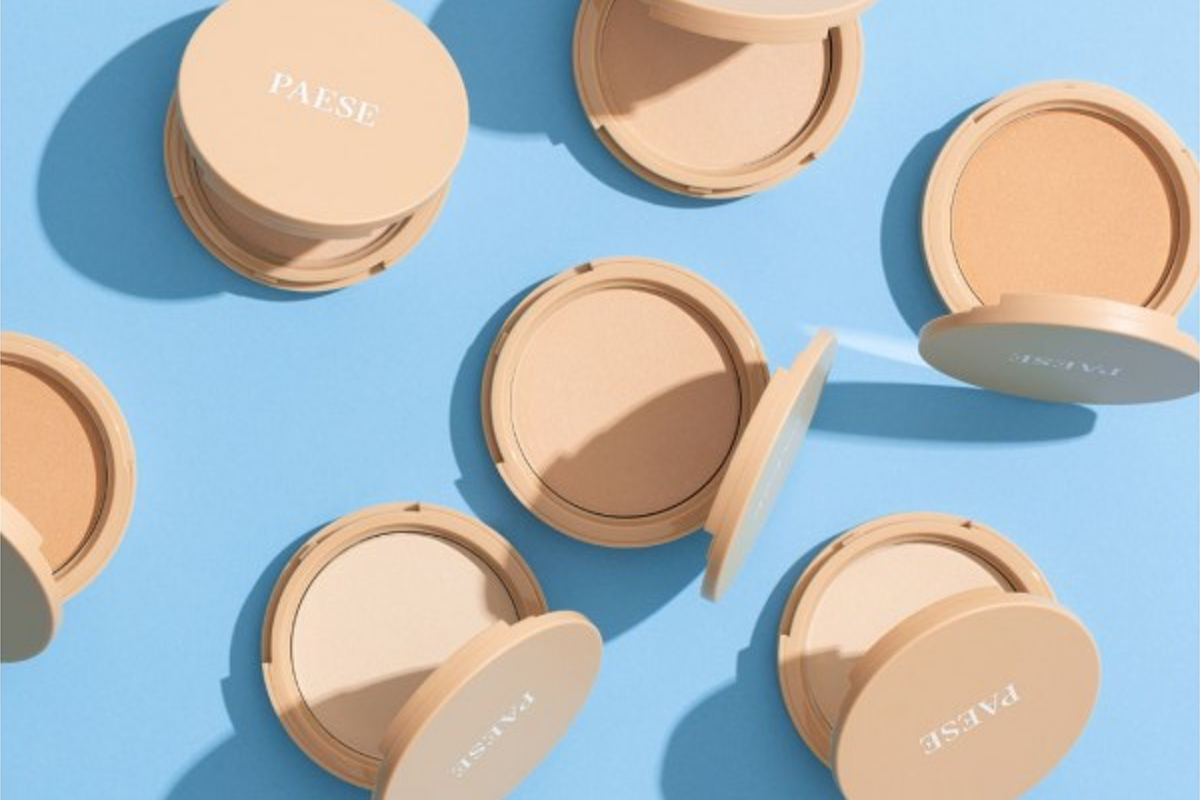
Sooner or later, a pressed powder finds its way into most handbags, letting you touch up your makeup anywhere, at any...
-
 The best foundation for mature skin: what should it be like?Read more
When choosing skincare products, we take our skin type and other characteristics into account. However, we often...
-
 Makeup primer: what is it and how do you use it?Read more
Makeup primer is often underrated. But did you know that, when chosen well and used correctly, it can visibly improve...
-
 The best foundation: how do you choose one?Read more
Foundation is the most important part of every look. Without it, you will hardly manage to create anything truly...
-
 5 tips to keep your makeup flawless in winterRead more
Makeup is one of the most important areas where the change of seasons shows. In this article, we look at how to adapt...
-
 Perfume notes: what are they?Read more
Perfume notes: what lies behind this musical, slightly mysterious-sounding phrase?
-
 How to choose a foundation for oily skinRead more
Foundation is designed to even out skin tone and conceal imperfections. But if you have oily skin, you face another...
-
 Fragrances for extraordinary sensations – Desert JourneyRead more
A journey through the desert inspired this perfume collection. Seven experiences, seven days – and seven different...
Blog categories
Search in blog

4 steps for a daily skincare routine at home
31.08.2022
Visiting a beautician is a really important part of caring for your face, so it is recommended that you treat your skin to a professional session at least a few times every six months. However, if you want to achieve healthy, beautiful skin faster and more effectively, how you care for your skin at home also matters. Below we share the most important steps of a daily skincare routine, which we hope will become your everyday ritual.
The basic skincare routine:
1. Cleansing – cleansing milk is ideal for this step: it thoroughly removes impurities without irritating or drying the skin, leaving it clean and velvety soft. After cleansing your face with milk and rinsing with water, tone your skin with a toner.
Another equally popular cleansing product is micellar water, which is suitable for all skin types, especially sensitive and dry skin. It is an exceptional cleanser that unclogs pores and effectively removes oily makeup, foundation, mascara, lipstick and other impurities.
Emulsions are recommended for oily, blemish-prone skin. These products contain little fat and are rich in special antibacterial additives. Choose makeup-removing gels and foams according to your skin's needs. For oily, blemish-prone skin, choose a product with chamomile, calendula and glycerine; for sensitive skin, one with panthenol, azulene and myrrh. Gels are not recommended for dry skin, because as they remove makeup they also strip away the skin's lipid film.
2. Toning – an essential part of the routine that restores the skin's pH. First of all, remember that a facial toner is not meant for cleansing. Toner is used after cleansing. One of its most important jobs is to restore and normalise the skin's pH. The ideal pH of facial skin is considered to be 5.5, while the pH of water can sometimes be as much as twice as high. This means that washing your face can seriously upset your skin's pH balance. If you do nothing to restore it, your skin will produce oil to protect itself. Over time, this causes impurities to build up, pores to clog and spots to appear. That is exactly why you should use a facial toner, which helps normalise and restore the skin's acid–alkaline balance.
3. Using a serum – hydrates the skin and helps it absorb the nutrients it needs. With so many serums available, it is important to listen to your skin and choose one that suits your skin type or the specific concern you want to address.
For oily skin, avoid oil-based serums, as they can clog your pores. Choose something that absorbs very quickly, such as lightweight, emulsion-type serums that do not clog the sebaceous glands or encourage acne.
For dry skin, choose hydrating, nourishing serums with a richer texture that hydrate the skin and relieve the uncomfortable feeling of tightness.
For mature skin that has lost its elasticity and radiance, choose serums with vitamin C. These serums support the skin's regeneration processes, help slow down visible signs of ageing, provide proper hydration, help restore elasticity, give the skin a glow and protect it from harmful environmental factors.
4. Face cream/emulsion – the final step, but one of the most important for protecting the skin and maintaining the right moisture balance during the day or night. Again, choose according to your skin type: dry skin – moisturising, nourishing creams; mature skin that has lost elasticity – anti-ageing, nourishing products; oily skin – lightweight creams or emulsions.
If you choose the right products for your skincare routine and stick to it consistently, you will achieve the results you want much faster!
Posted in:
Imported posts
Related posts
-
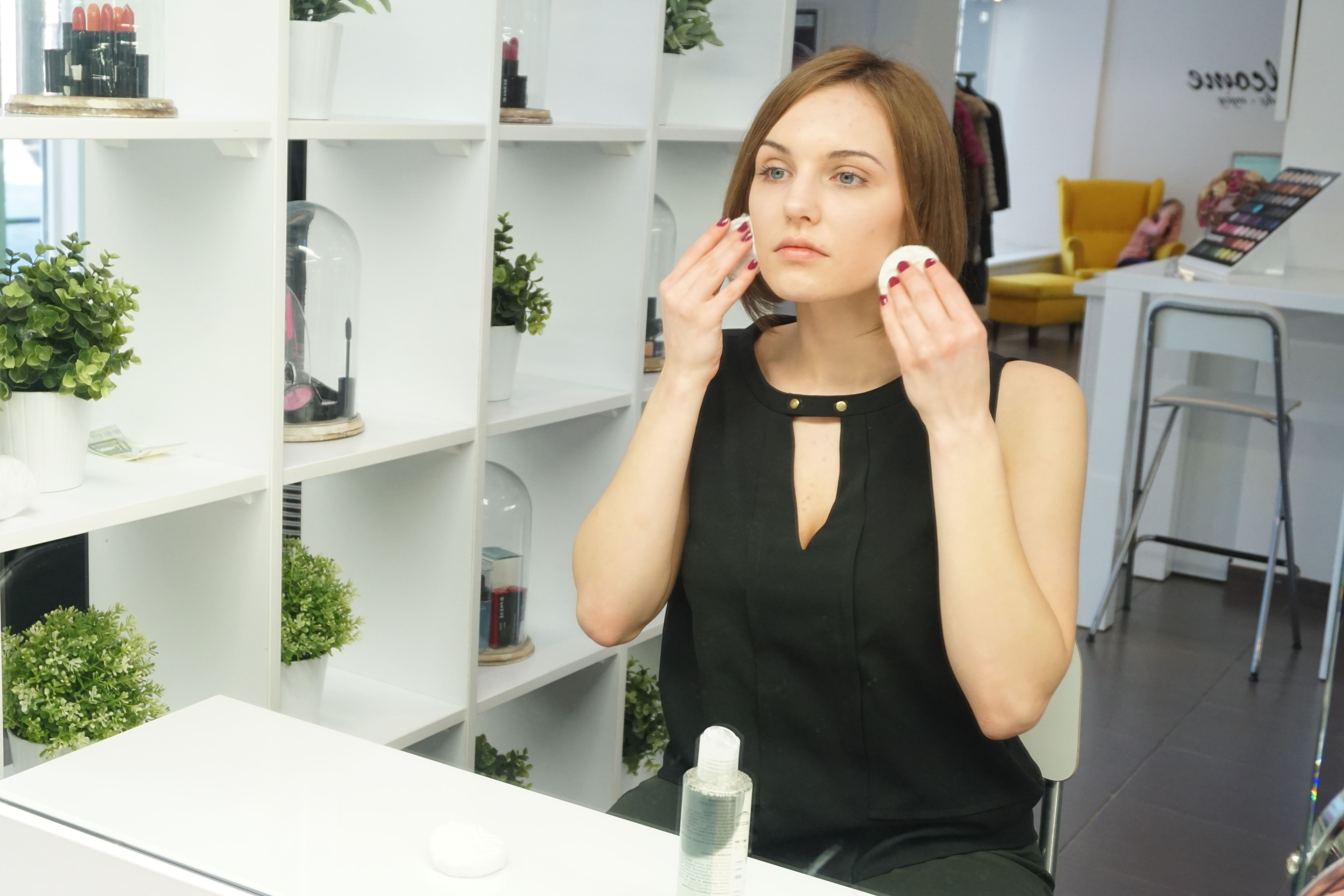 Micellar water – a refresher for your skin
Micellar water is a liquid designed for removing makeup. It is also recommended to cleanse your face with micellar...Read more
-
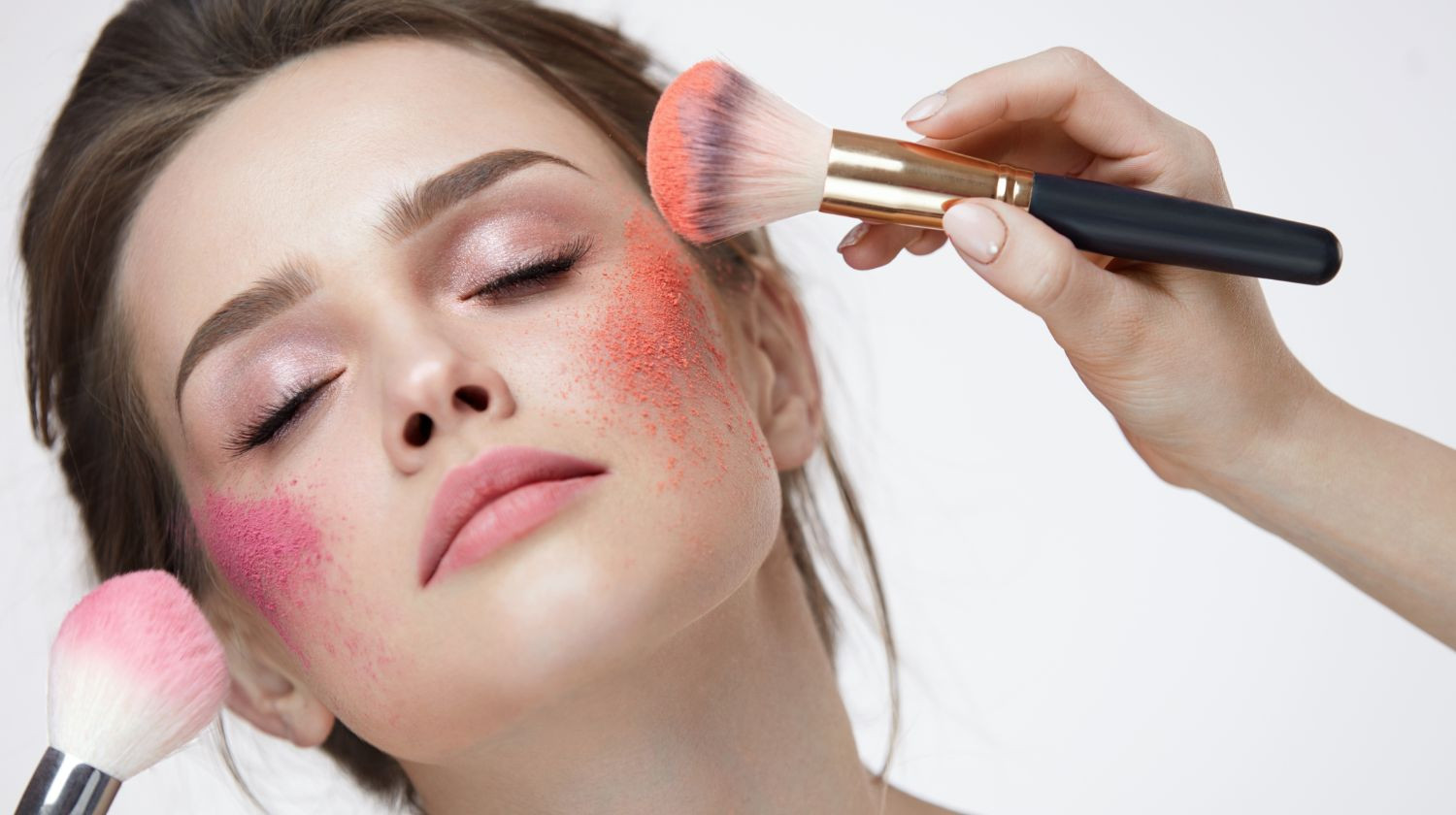 Do we know how to use blush properly?
Blush gives our cheeks a fresh look and helps define them. Unfortunately, many people avoid using blush because they...Read more
-
 Easy 15-minute makeup
Many people dream of looking good in the morning in just a few minutes. You will probably agree that we live busy...Read more
-
 Sweet and healthy lips
The lips are one of the thinnest areas of skin on the human body. They are as sensitive as the skin around the eyes,...Read more
-
 Moments from the Pelene 2017 exhibition
On 7–9 April, huge queues stretched outside the "Litexpo" exhibition centre. Last weekend saw the international...Read more
Leave a comment