
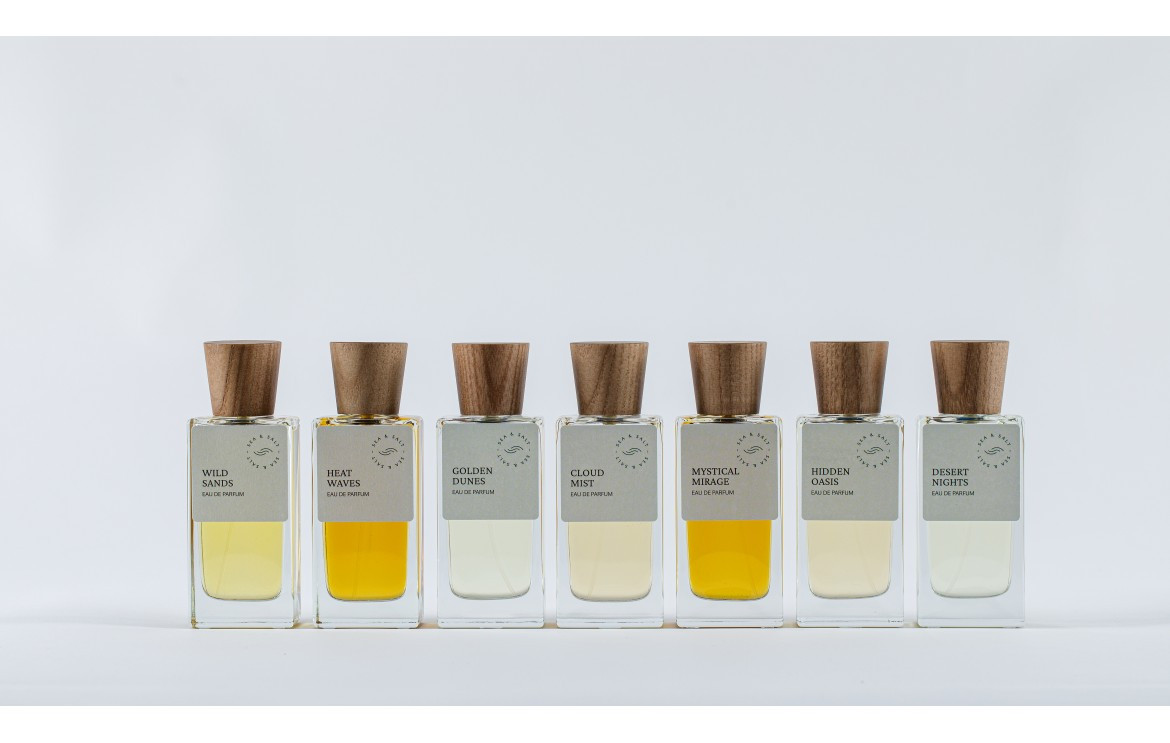
Niche perfumes are unique scents that let you express your personality and highlight your authenticity.
Latest posts
-
 Niche perfumes: what are they?Read more
-
 What makeup products do you need?Read more
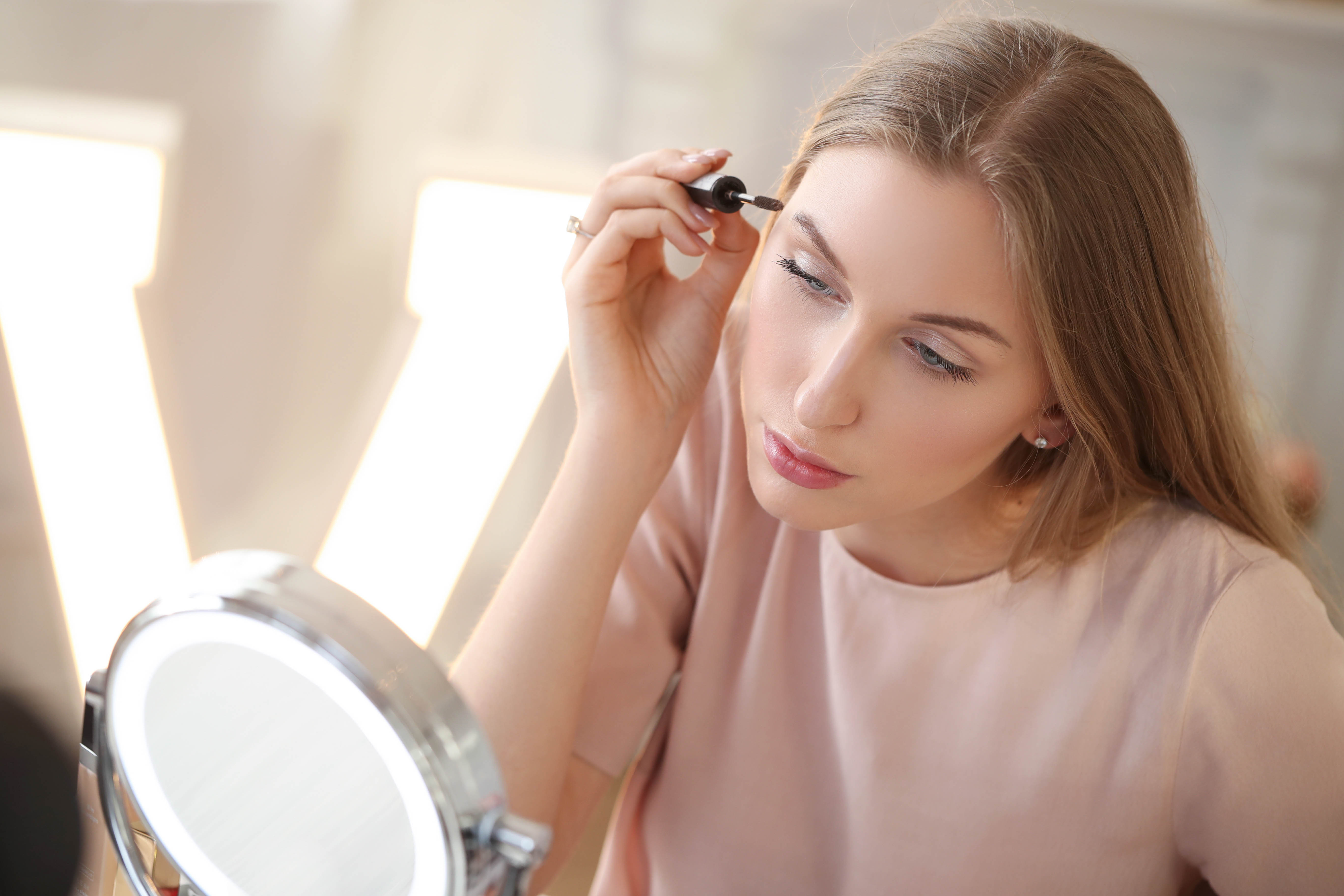
To create a flawless makeup look, you need all the right products, from brushes to setting spray.
-
 How to use pressed powderRead more
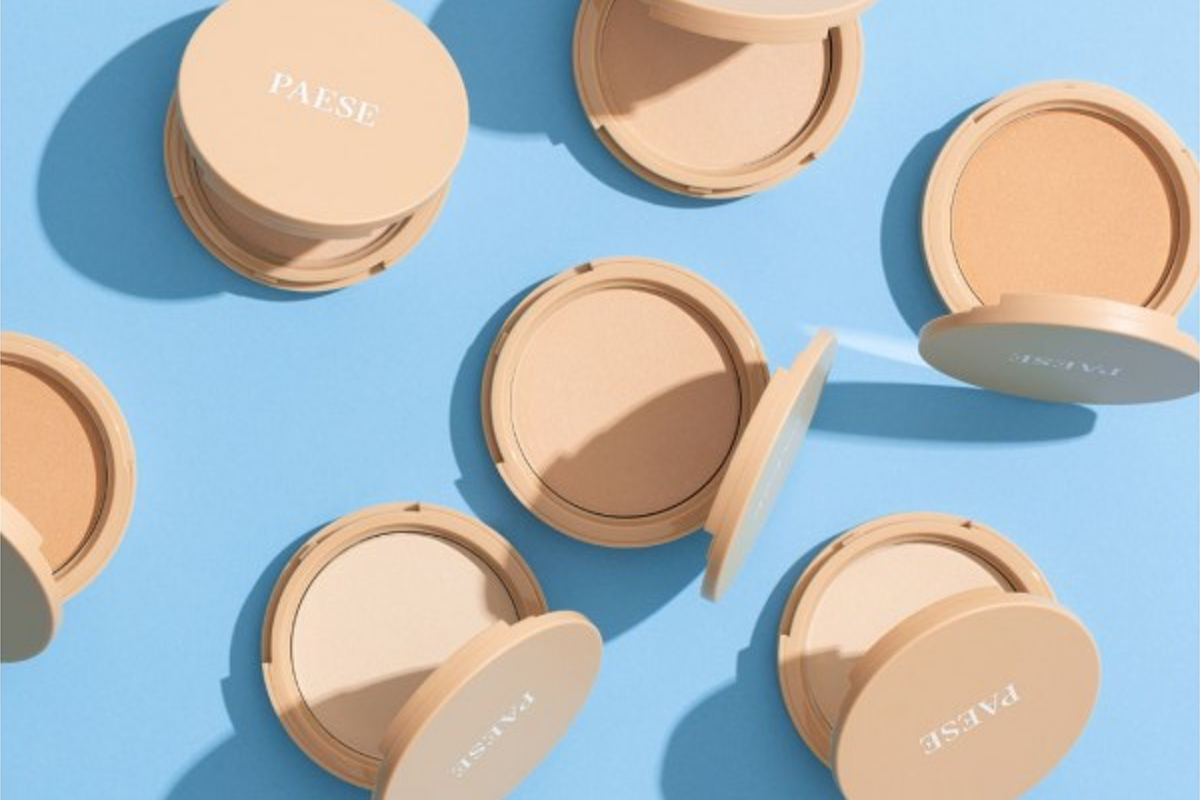
Sooner or later, a pressed powder finds its way into most handbags, letting you touch up your makeup anywhere, at any...
-
 The best foundation for mature skin: what should it be like?Read more
When choosing skincare products, we take our skin type and other characteristics into account. However, we often...
-
 Makeup primer: what is it and how do you use it?Read more
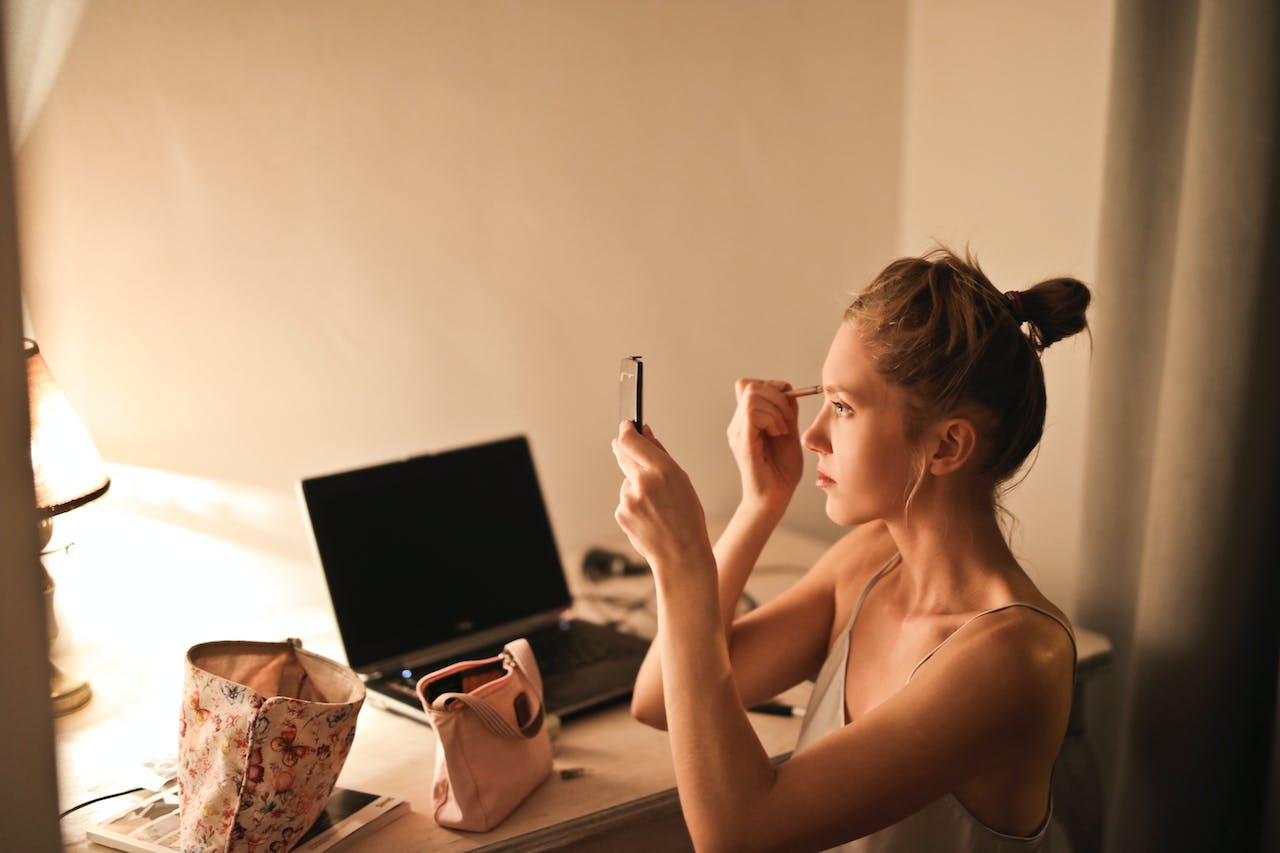
Makeup primer is often underrated. But did you know that, when chosen well and used correctly, it can visibly improve...
-
 The best foundation: how do you choose one?Read more
Foundation is the most important part of every look. Without it, you will hardly manage to create anything truly...
-
 5 tips to keep your makeup flawless in winterRead more
Makeup is one of the most important areas where the change of seasons shows. In this article, we look at how to adapt...
-
 Perfume notes: what are they?Read more
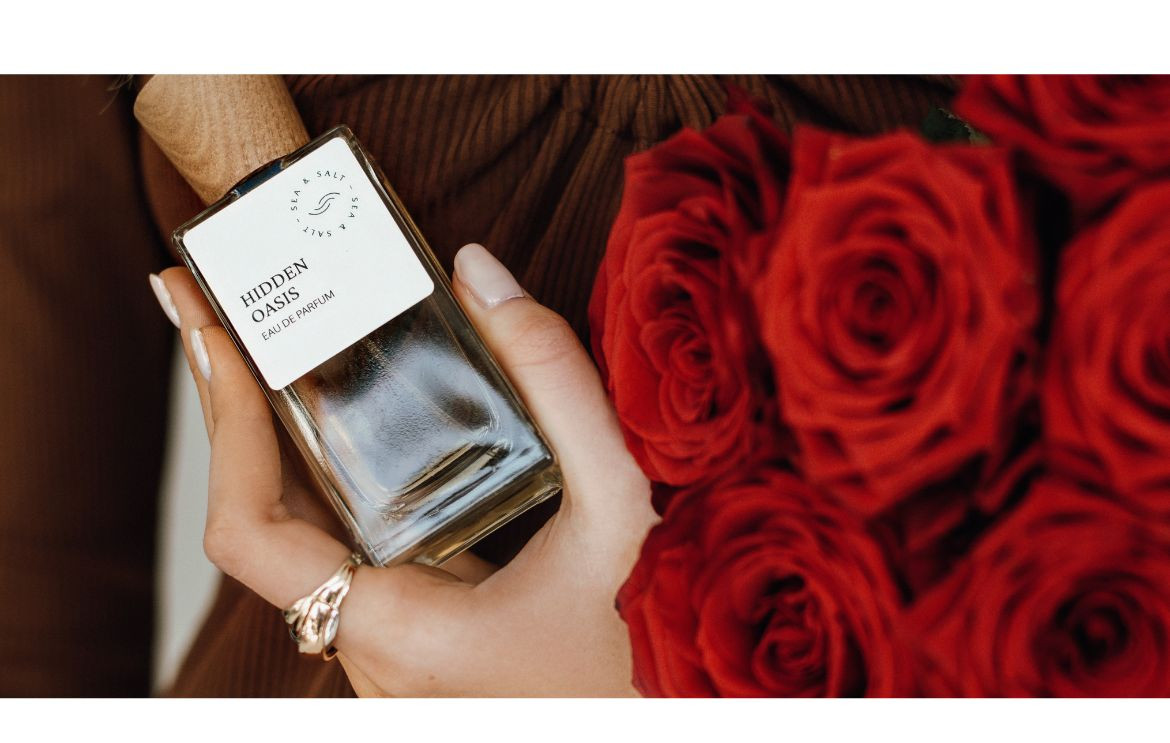
Perfume notes: what lies behind this musical, slightly mysterious-sounding phrase?
-
 How to choose a foundation for oily skinRead more
Foundation is designed to even out skin tone and conceal imperfections. But if you have oily skin, you face another...
-
 Fragrances for extraordinary sensations – Desert JourneyRead more
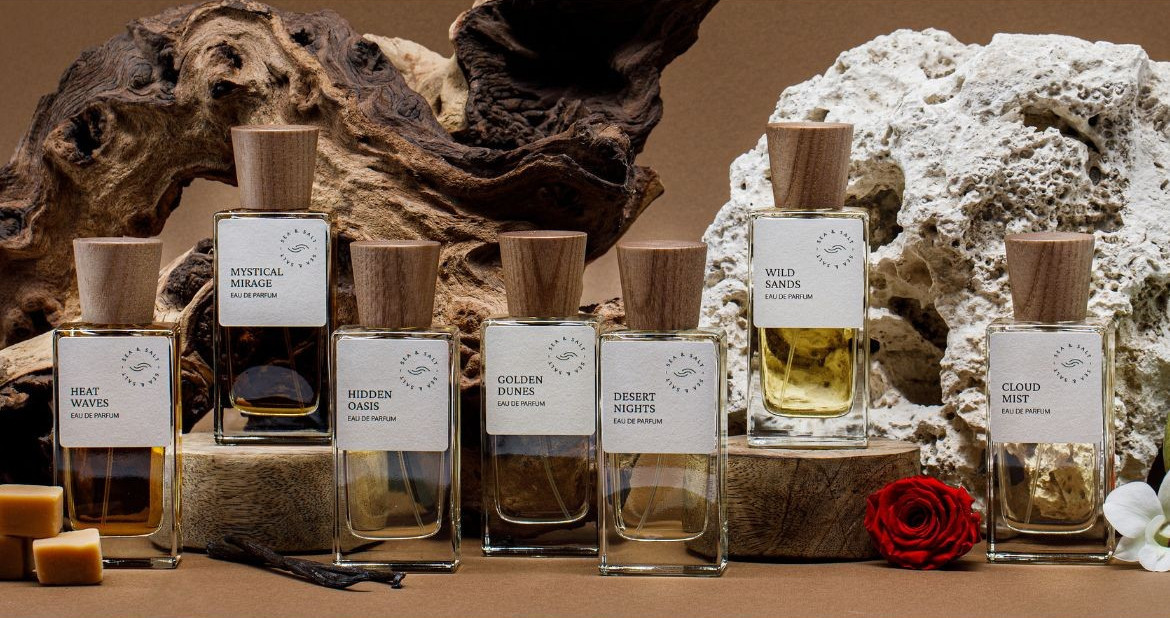
A journey through the desert inspired this perfume collection. Seven experiences, seven days – and seven different...
Blog categories
Search in blog
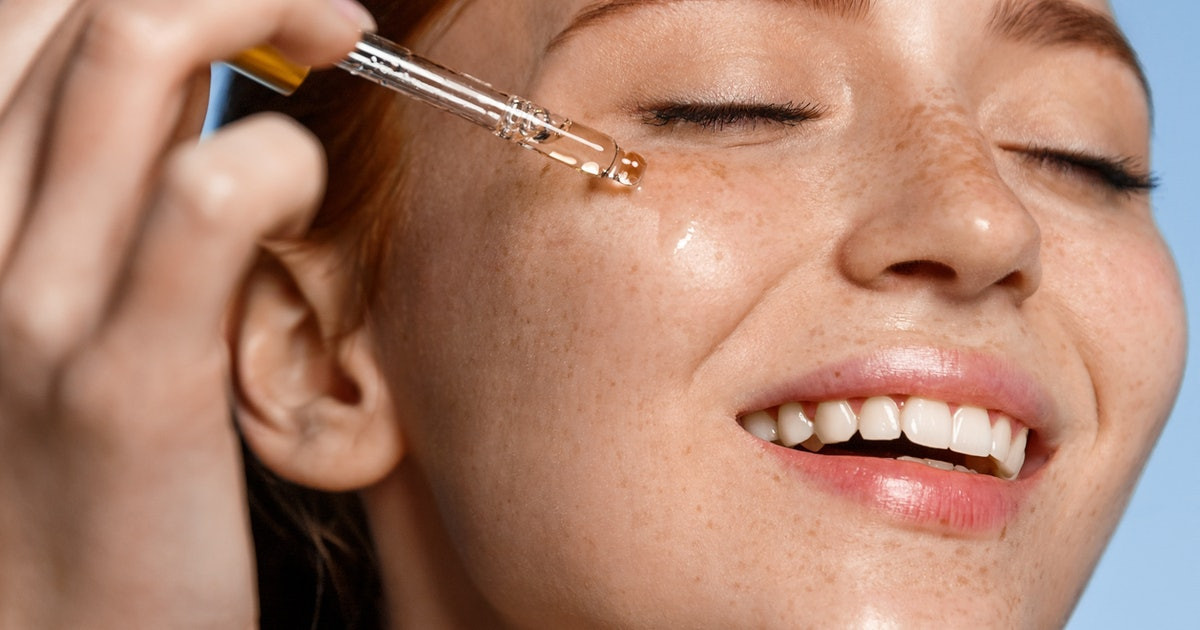
How to choose the right face serum
21.07.2022
In shops you can find many serums with different textures: oil, milk or emulsion-like. So when choosing a serum, you need to consider not only your skin type but also your skin concerns. Many people like to choose a serum based on the age indicated on the packaging. But this is a mistake.
Imagine a 45-year-old woman with very oily skin. She sees a serum labelled 45+. This serum has an oil texture. A product like this can clog her pores even more and encourage acne in later life. Yes, really: acne is not only a problem for teenagers, but for older people too.
Consider your skin concerns: dryness, flaking, excess sebum, breakouts and so on. Choose the product that suits you best based on these, not on the age indicated on the packaging.
But it is just as important to consider your skin type. So here are a few recommendations on which serums suit your skin type.
Oily skin.
Avoid oil-textured serums, as they can clog your pores. Choose something that absorbs very quickly, for example lightweight, emulsion-type serums that do not clog the sebaceous glands or encourage acne.
Dry skin.
Serums of various textures suit dry skin. But it is worth working out which product makes your skin feel most comfortable.
It is also worth paying attention to the ingredients. Choose products with ceramides and hyaluronic acid. If there are gaps between skin cells, ceramides bind them together, prevent water from evaporating, reduce dehydration and fill the skin with moisture. Serums with ceramides are best used at night, as this is when the skin absorbs as much as possible of whatever you give it. Hyaluronic acid, in turn, supports the elasticity and firmness of the skin. Your skin becomes smoother and much more radiant.
Mature skin that has lost its radiance.
The best choice is a serum with vitamin C. These serums support the skin's regeneration processes, help slow down visible signs of ageing, keep the skin properly moisturised, help restore elasticity, give the skin a glow and protect it from harmful environmental factors.
Serums with vitamin C are best used at night, as in contact with sunlight these products may encourage pigmentation spots.
Sensitive skin.
For sensitive skin, choose acids. Of course, this sounds rather strange: "Acids for sensitive skin?"
There is no need to be afraid of acids. They help restore the skin's protective layer and even moisturise the skin. It is important to use acids in low concentrations, such as lactic acid, AHA or BHA acids.
Also look for antioxidants in the ingredients, such as vitamin E, beta-carotene, coenzyme Q10, selenium, polyphenols and others, or ceramides, which restore and strengthen the skin's protective layer. A vitamin C serum, which boosts collagen production and helps the skin renew itself, may also suit your skin.
For sensitive skin, try to choose hypoallergenic, fragrance-free products.
When should you start using serums?
There is no set age at which you should add serums to your routine. But when your skin starts to feel uncomfortable, or you notice that it is lacking nutrients and moisture, it is worth thinking about adding a serum to your skincare routine.
The golden rule: the sooner you start caring for your skin, the healthier it will be in the future!
Posted in:
Imported posts
Related posts
-
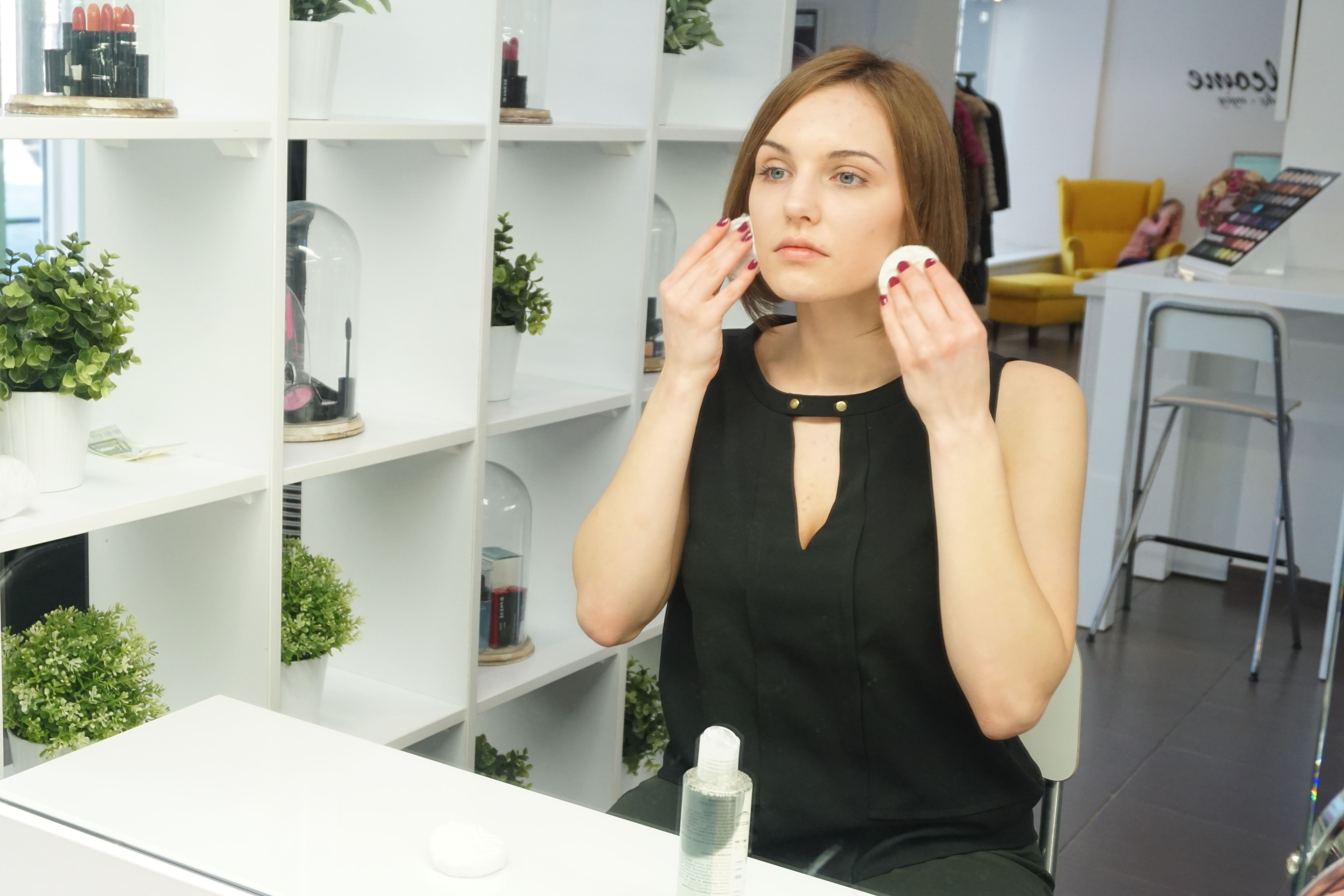 Micellar water – a refresher for your skin
Micellar water is a liquid designed for removing makeup. It is also recommended to cleanse your face with micellar...Read more
-
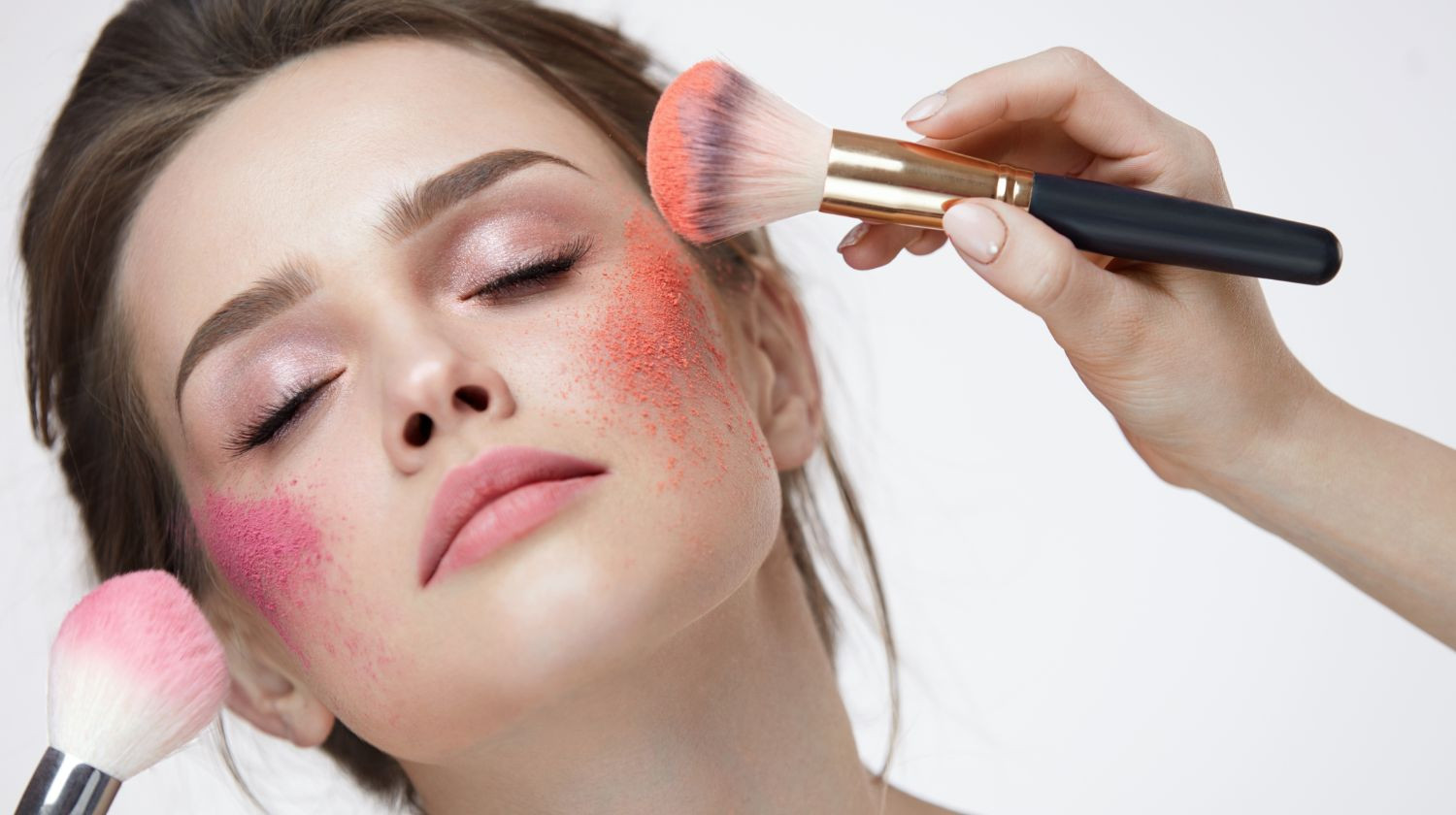 Do we know how to use blush properly?
Blush gives our cheeks a fresh look and helps define them. Unfortunately, many people avoid using blush because they...Read more
-
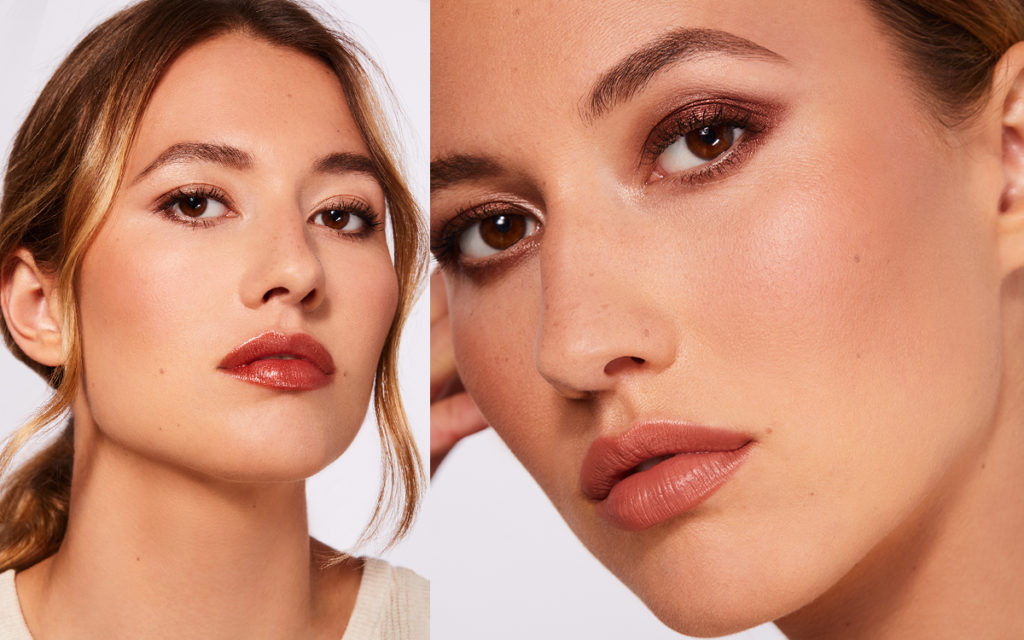 Easy 15-minute makeup
Many people dream of looking good in the morning in just a few minutes. You will probably agree that we live busy...Read more
-
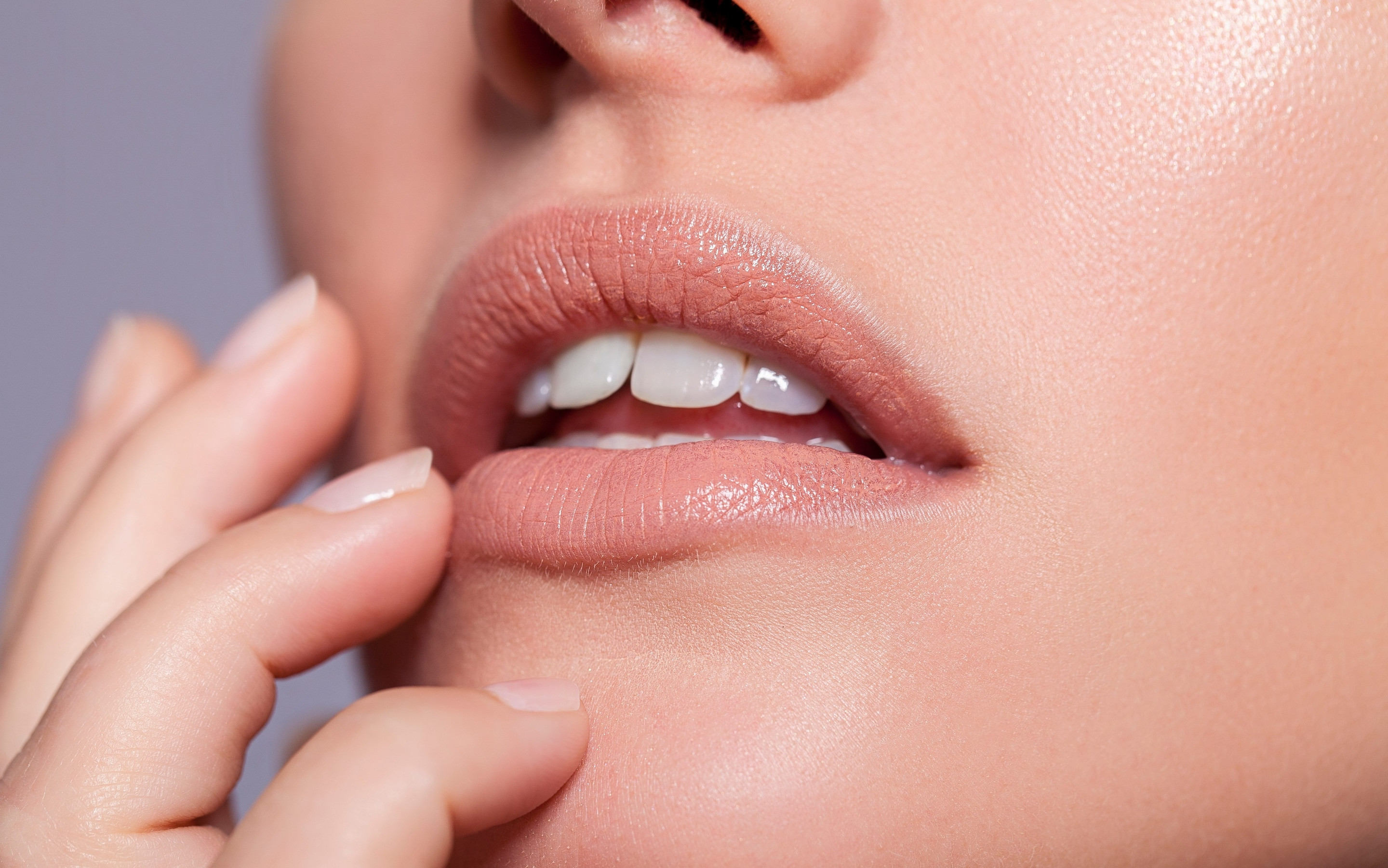 Sweet and healthy lips
The lips are one of the thinnest areas of skin on the human body. They are as sensitive as the skin around the eyes,...Read more
-
 Moments from the Pelene 2017 exhibition
On 7–9 April, huge queues stretched outside the "Litexpo" exhibition centre. Last weekend saw the international...Read more
Leave a comment